Regional guide
A Brief History of Nave do Barão Wine
The fame of Nave do Barão wine has deep roots and was already celebrated in the Charter that King D. Afonso III granted to Loulé in 1266, fifteen years after the definitive conquest of the Algarve. According to historian Isilda Martins, in "O Foral de Loulé", "the king reserved the best vineyards; among them were those of Nave do Barão and their secret, still kept today, of their much-appreciated wine". It is said to have been one of the wines served at the table of this king and, later, of his successor D. Dinis.
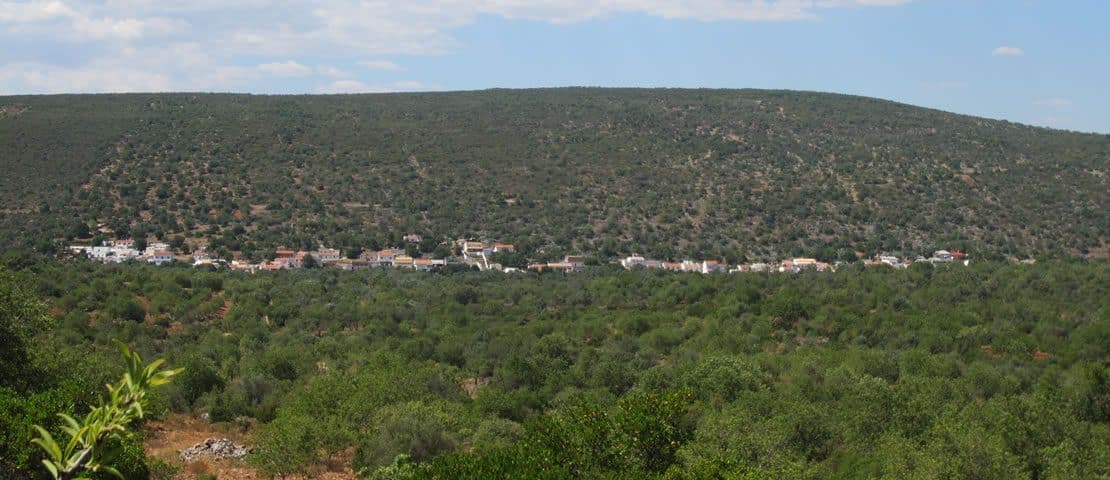
Over the centuries, the people of Nave do Barão relied on wine as their main source of income, since the vast valley of Nave do Barão would have been entirely occupied by vineyards producing this renowned wine. Due to the production techniques and the intense ripening of grapes under the hot summer sun, it reached high alcohol levels, so much so that visitors who drank two glasses of the precious nectar were left completely «almareados».
However, at the end of the 19th century, the vineyards of Nave do Barão were struck by phylloxera, a disease caused by the insect Phylloxera vitifoliae that attacks the underground part of the plant. As a result, the area designated for vines moved to Lagoa da Nave, perhaps because it was observed that the dreadful disease was less severe there, owing to the proximity of the vast body of water that forms in winter and persists until May.
Although the vineyard area was greatly reduced, some continued the production of the famous Nave do Barão wine, which is still made today using ancient techniques: the so-called vinho de bica aberta, of a rosy colour, or the vinho de infusão, of a darker colour.
Note: «almareado» is a word of Algarve origin meaning tipsy or light-headed.